Learn how manufacturing data integration connects ERP and CRM systems to synchronize business data, streamline operations, and improve enterprise management with Salesforce.
What Is Manufacturing Data Integration?
Manufacturing data integration is the process of connecting systems such as Enterprise Resource Planning (ERP), Customer Relationship Management (CRM), Manufacturing Execution Systems (MES), and warehouse management platforms to create a consistent flow of information between sales and operations.
When data is scattered across multiple platforms, manufacturers may face duplicate data entry, inconsistent reports, and delayed updates. Integrating manufacturing systems helps reduce these challenges and provides more reliable information for business management.
Why Do Manufacturers Need ERP and CRM Integration?
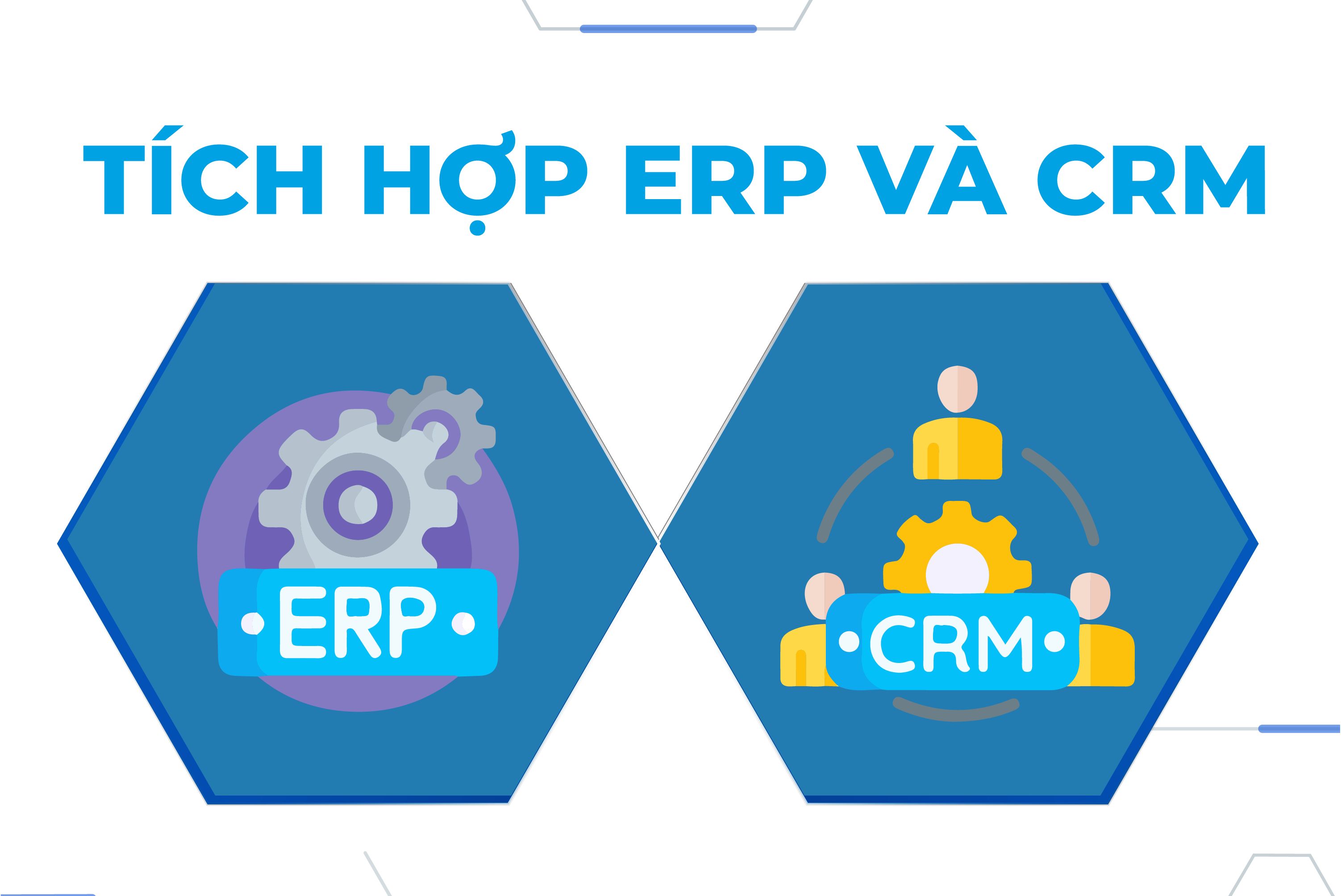
ERP typically manages finance, procurement, inventory, and enterprise resources, while CRM focuses on customer relationships, sales opportunities, and engagement activities. When properly integrated, these systems improve coordination between Sales, Operations, and Service teams.
Key benefits include:
- Synchronized business data: Reduce duplicate data entry and inconsistencies across systems.
- Greater operational visibility: Connect customer, order, and operational information based on authorized access.
- Improved forecasting: Use commercial and transaction data to support sales planning.
- Better decision-making: Provide consolidated reports based on information from multiple departments.
What Data Should Be Integrated Across Manufacturing Systems?
Customer and Sales Data
CRM manages account information, interaction histories, sales opportunities, and commercial agreements. Relevant data can be exchanged with ERP to support order processing and coordination.
Production and Inventory Data
ERP or MES may provide information about inventory, production schedules, and operational status. When appropriately connected, this information helps sales teams communicate with customers using more up-to-date operational data.
Reporting and Forecasting Data
Data from CRM and ERP can be consolidated to analyze revenue, customer demand, and sales performance. Integration should be designed around specific business objectives rather than transferring unnecessary data between systems.
How Does Salesforce CRM Support Manufacturing System Integration?
Salesforce CRM helps manage commercial data and customer journeys. With Salesforce Manufacturing Cloud, manufacturers can connect customer management, sales agreements, and business forecasting with appropriate operational systems.
ERP integration can be implemented through APIs, middleware, or integration platforms such as MuleSoft, depending on the existing technology architecture.
OMN1 Solution supports manufacturing businesses in connecting systems and standardizing data. The ACP project within Asia Ingredients Group (AIG) focuses on using Salesforce Manufacturing Cloud to support commercial management and improve data coordination between sales and operations.
How to Implement Manufacturing Data Integration Effectively
Manufacturers should start by identifying source systems, data requirements, and the teams responsible for data management. Next, they should standardize data structures, define the authoritative source for each business entity, and establish synchronization rules.
After testing, businesses should monitor key indicators such as synchronization error rates, data update times, duplicate records, and report consistency. Access controls, integration monitoring, and error-handling procedures are also essential for maintaining reliable operations.
Conclusion
Manufacturing data integration helps businesses reduce information silos, improve cross-functional coordination, and establish a stronger foundation for data-driven management. With Salesforce CRM and Manufacturing Cloud, OMN1 Solution helps manufacturers connect systems, standardize commercial data, and progressively optimize operational workflows.
Contact OMN1 Solution to discuss Salesforce CRM and integration strategies aligned with your existing systems and business objectives.