In today's competitive business environment, acquiring a new customer is no longer the only factor that determines business growth. Companies need to understand how customers interact with their brand over time, from the moment they become aware of a solution until they continue using the product or service and develop a long-term relationship.
This is why customer lifecycle management has become an important part of modern business strategies. By understanding each stage of the customer journey, businesses can deliver more relevant experiences, improve customer satisfaction and increase retention.
What is the Customer Lifecycle?
Customer lifecycle refers to the entire process a customer goes through when interacting with a business, from the first stage of awareness to becoming a loyal customer.
Instead of viewing customer relationships as a single transaction, the customer lifecycle focuses on the long-term development of the relationship between customers and businesses.
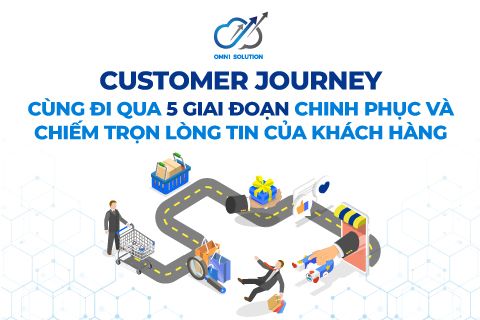
A typical customer lifecycle includes several key stages:
- Awareness:
Customers become aware of a brand, product or solution through marketing activities, recommendations, online searches or other channels. - Consideration:
Customers begin researching, comparing different options and evaluating whether a product or service can solve their needs. - Purchase:
Customers make a decision and complete the buying process after considering factors such as value, pricing and suitability. - Retention:
After purchasing, customers continue using the product or service and receive support from the business. - Loyalty and Expansion:
Satisfied customers develop stronger relationships with the brand, make repeat purchases or recommend the business to others.
Understanding these stages allows businesses to identify customer needs at each point and create more effective engagement strategies.
Why is Customer Lifecycle Important for Businesses?
Many businesses focus heavily on acquiring new customers but overlook what happens after the first purchase. However, long-term growth depends not only on attracting customers but also on maintaining and expanding existing relationships.
Customer lifecycle management helps businesses gain a complete view of customer behavior and improve interactions throughout the entire relationship.
Some key benefits include:
- Improving customer experience:
By understanding customer needs at different stages, businesses can provide more relevant support and communication. - Increasing customer retention:
A consistent and personalized experience encourages customers to continue using products or services. - Optimizing sales and marketing strategies:
Businesses can deliver the right message at the right time instead of applying the same approach to every customer. - Increasing revenue opportunities:
When businesses understand customer behavior, they can identify opportunities for upselling, cross-selling and long-term partnerships.
A well-managed customer lifecycle helps businesses move from short-term transactions toward sustainable customer relationships.
Customer Lifecycle Management: Building Long-Term Customer Relationships
Customer lifecycle management is the process of monitoring, analyzing and optimizing customer interactions throughout every stage of their relationship with a business.
Instead of waiting for customers to take action, businesses proactively identify customer needs and create appropriate strategies to improve engagement.
Effective customer lifecycle management usually involves:
- Tracking customer interactions across different channels.
- Understanding customer behavior and preferences.
- Delivering personalized communication and experiences.
- Identifying potential risks such as customer dissatisfaction or churn.
- Improving processes based on customer feedback and data.
By managing the lifecycle effectively, businesses can ensure customers receive consistent experiences from the first interaction to long-term partnership.
How to Effectively Manage Customer Lifecycle?
To manage the customer lifecycle successfully, businesses need a structured approach that combines customer understanding, data analysis and continuous improvement.
1. Identify Customer Lifecycle Stages
The first step is defining how customers move through different stages when interacting with the business.
Each industry may have different lifecycle stages, but businesses generally need to understand:
- When customers first discover the brand.
- What factors influence their buying decisions.
- How they use products or services after purchase.
- What encourages them to continue the relationship.
Having a clear lifecycle model helps businesses create more targeted strategies.
2. Collect and Analyze Customer Data
Customer lifecycle management relies heavily on accurate customer data.
Businesses can collect information from multiple sources, including:
- Purchase history.
- Website activities.
- Customer support interactions.
- Feedback and surveys.
- Communication with sales teams.
By analyzing this data, businesses can better understand customer behavior and identify opportunities to improve experiences.
3. Personalize Customer Interactions
Customers expect businesses to understand their specific needs rather than receive generic communication.
Personalization can include:
- Providing relevant content based on customer interests.
- Recommending suitable products or solutions.
- Adjusting communication based on customer lifecycle stage.
- Offering timely support when customers need assistance.
A personalized approach helps businesses strengthen relationships and increase customer satisfaction.
What is Customer Lifetime Value (CLV)?
Customer Lifetime Value (CLV) is the total estimated value a customer brings to a business throughout the entire relationship.
Instead of only measuring the value of a single purchase, CLV considers the long-term revenue potential of a customer.
For example, a customer who makes regular purchases over several years may provide significantly more value than a customer who buys once and stops engaging.
Customer Lifetime Value helps businesses answer important questions such as:
- How much should the business invest in acquiring customers?
- Which customer groups generate the highest value?
- How can businesses increase long-term revenue?
By understanding CLV, businesses can make smarter decisions about marketing budgets, sales strategies and customer retention activities.
How to Increase Customer Lifetime Value?
Improving customer lifetime value requires businesses to focus on creating long-term value instead of only increasing short-term sales.
Some effective approaches include:
Enhancing customer experience:
A smooth and consistent experience encourages customers to stay longer and continue using products or services.
Providing proactive customer support:
Businesses that anticipate customer needs and solve issues quickly can improve satisfaction and loyalty.
Developing personalized offers:
Relevant recommendations and tailored solutions can increase repeat purchases and customer engagement.
Building strong relationships:
Regular communication, valuable content and continuous support help customers see the business as a trusted partner.
Especially in B2B environments, where relationships often last for years, increasing customer lifetime value plays an important role in sustainable growth.
The Role of CRM in Customer Lifecycle Management
As the number of customers increases, managing customer information manually becomes more challenging. CRM systems help businesses centralize customer data and track interactions throughout the lifecycle.
A CRM platform enables businesses to:
- Store customer profiles and interaction history.
- Monitor customer activities across different channels.
- Support personalized communication.
- Help sales and customer service teams collaborate more effectively.
By connecting customer data across departments, businesses can create a more consistent experience and better understand customer needs at every stage.
One of the leading CRM platforms today is Salesforce, which helps businesses manage customer relationships, automate sales processes and connect data between marketing, sales and customer service teams.
With Salesforce, businesses can optimize customer lifecycle management through features such as customer data management, sales pipeline tracking, automation and analytics.
If your business is looking for a suitable CRM strategy or does not know where to start with Salesforce implementation, OMN1 Solution can support businesses through consulting, system design and Salesforce deployment to improve customer management efficiency.
Common Mistakes in Customer Lifecycle Management
Although customer lifecycle management brings many benefits, some businesses still struggle to achieve expected results due to several common challenges.
Typical mistakes include:
- Focusing only on customer acquisition while ignoring retention.
- Treating all customers the same instead of segmenting based on needs.
- Collecting customer data but failing to turn it into actionable insights.
- Not updating lifecycle strategies as customer expectations change.
Customer lifecycle management should be viewed as an ongoing improvement process rather than a one-time activity.
Customer Lifecycle – The Foundation for Sustainable Business Growth
In a market where customers have more choices than ever, businesses need to focus not only on attracting customers but also on building long-term relationships.
A well-designed customer lifecycle strategy helps businesses understand customer behavior, improve experiences and create stronger connections.
By effectively managing the customer lifecycle and increasing customer lifetime value, businesses can improve retention, optimize revenue opportunities and build sustainable growth over time.