In today’s market, customers no longer focus only on products or services. They evaluate the entire process of interacting with a business. From the first time they search for information, communicate with consultants, use a product, or receive post-purchase support, every touchpoint can influence their perception of a brand.
Therefore, customer experience has become an important factor that determines a company’s competitive advantage. A positive customer experience helps businesses build trust, increase satisfaction, and maintain long-term relationships with customers.
Beyond simply providing better service, many businesses are now focusing on personalizing customer experience and leveraging data to improve customer experience in a more comprehensive way.
What is Customer Experience?
Customer Experience (CX) refers to the overall perceptions, emotions, and evaluations customers develop throughout their interactions with a business.
Customer experience is not only influenced by product quality but also by many other factors, including communication methods, response speed, purchasing processes, support quality, and post-purchase engagement.
A customer may value a brand not only because of a good product but also because they feel understood, supported at the right time, and provided with solutions that match their needs.
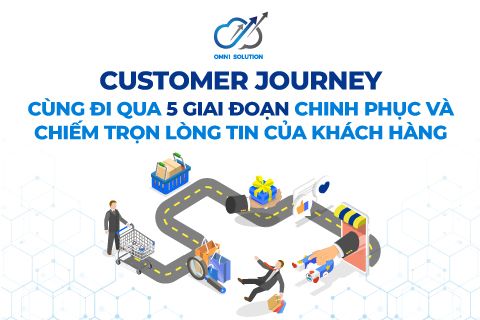
Therefore, customer experience should be viewed as a continuous journey rather than simply a customer service activity after a purchase.
Why is Customer Experience Important for Businesses?
In a market where customers have more choices, the difference between businesses is no longer based only on product features or pricing. The experience created throughout the customer journey can become the deciding factor in whether customers continue working with a company or switch to competitors.
A strong customer experience brings long-term value to businesses:
- Increasing customer satisfaction and loyalty: Customers with positive experiences are more likely to continue using products and recommend the brand to others.
- Improving conversion rates: A smooth buying journey helps customers make decisions more easily.
- Strengthening brand reputation: Consistent experiences help businesses build credibility and trust.
Especially in B2B environments, where purchasing decisions often take longer and involve multiple stakeholders, customer experience plays an essential role in maintaining long-term partnerships.
Key Factors That Create an Effective Customer Experience
A great customer experience does not come from a single interaction point. It is created through the combination of multiple factors throughout the entire customer journey.
The first important factor is understanding customers. Businesses need to know what customers need, what challenges they face, and what outcomes they expect. When businesses understand customers clearly, they can provide more relevant solutions instead of applying the same approach to everyone.
Consistency across interactions is also essential. Customers expect a seamless experience whether they engage with a business through a website, email, sales representatives, or customer support teams.
In addition, response speed and problem-solving capabilities directly affect customer perception. Businesses that respond quickly and proactively support customers often build stronger trust and relationships.
What is Personalized Customer Experience?
Personalized customer experience is the process of adjusting content, products, services, or communication methods based on each customer’s needs, behaviors, and characteristics.
Instead of delivering the same experience to everyone, businesses use customer data to create more relevant interactions for different customer groups or individuals.
For example, a customer who frequently shows interest in a specific product category may receive content directly related to their needs instead of general information. This makes customers feel that the business understands them and provides meaningful value.
Personalized customer experience can be implemented through:
- Delivering marketing content tailored to specific customer segments.
- Recommending products or solutions based on interaction history.
- Adjusting customer engagement processes according to different stages of the buying journey.
When implemented effectively, personalization not only increases customer satisfaction but also improves conversion rates and customer retention.
How to Improve Customer Experience Effectively?
To improve customer experience, businesses need to start by understanding the complete journey customers go through.
The first step is identifying important touchpoints throughout customer interactions. These may include moments when customers search for information, request consultations, make purchases, implement services, or seek support.
After mapping the customer journey, businesses need to analyze areas where customers experience difficulties. Small issues such as complicated processes, slow responses, or unclear information can negatively affect the overall experience.
Some effective approaches to improve customer experience include:
- Collecting regular feedback to understand real customer needs and expectations.
- Optimizing interaction processes to reduce waiting time.
- Training sales and customer service teams to provide consultation rather than simply selling.
- Using customer data to create relevant personalized experiences.
More importantly, businesses should treat customer experience as an ongoing improvement process rather than a one-time initiative.
The Role of CRM in Improving Customer Experience
As businesses manage larger customer bases, remembering and tracking every interaction manually becomes increasingly difficult. This is why CRM systems have become essential tools for managing customer experience.
CRM helps businesses centralize customer information, including purchase history, interactions, and support requests. With this data, employees can better understand customers before every conversation.
When data is connected across marketing, sales, and customer service teams, businesses can create a more consistent customer journey. Customers do not need to repeat information multiple times and can receive more relevant support at each stage.
A CRM system also enables businesses to identify customer needs earlier and create more personalized engagement strategies.
Common Mistakes When Building Customer Experience
Some businesses focus too much on selling products but pay insufficient attention to how customers feel throughout the interaction process. This can make customers feel valued only when they are ready to purchase.
Another common challenge is the lack of customer data, which makes personalization difficult. Without understanding where customers are in their journey or what they need, customer engagement activities may become less effective.
Businesses also sometimes measure customer experience only through business results while ignoring direct customer feedback. In reality, customer feedback is one of the most valuable sources for improving service quality.
Customer Experience – A Sustainable Competitive Advantage for Businesses
In an era where customers have more choices, businesses need more than strong products. They need to create meaningful and memorable experiences throughout every customer interaction.
An effective customer experience strategy helps businesses understand customers better, differentiate their brand, and build long-term relationships.
By personalizing customer experience and continuously working to improve customer experience, businesses can increase satisfaction, strengthen customer loyalty, and create a foundation for sustainable growth.